Electricity rates in Texas are rising faster than ever, and for many homeowners, the monthly bill is becoming unpredictable and frustrating. Add the intense summer heat, increased energy consumption, and grid instability — and it’s no surprise Texans are turning to solar power in record numbers.
But the number-one question homeowners ask is:
“How much money can I actually save by going solar in Texas?”
The answer depends on your energy usage, roof size, system design, and incentives — but on average, most Texas homeowners save between 20% and 60% on electricity costs starting from the very first month.
This detailed guide breaks down exactly how solar savings work in Texas, what affects your ROI, how long installation takes, and how quickly your investment pays off.
1. Texas Has One of the Highest Solar Potentials in America
Texas receives 230–260 sunny days per year, making it one of the most solar-efficient states in the U.S.
More sunlight = more electricity produced = higher savings.
Unlike states with cloudy seasons, Texas solar systems produce consistent and predictable output year-round. Even during winter, most homeowners generate enough power to significantly lower their bills.
Why this matters:
Solar panels are more efficient in Texas because:
- Long hours of direct sunlight
- Strong solar irradiance (sunlight intensity)
- Fewer cloudy days
- Ideal roof angles on modern homes
This translates into higher output per panel, meaning you need fewer panels to hit your energy goals compared to many other states.
2. How Much Can You Save Monthly With Solar in Texas?
Savings vary based on system size, but here are realistic averages:
Average Solar Savings for Texas Homes
| Home Size | Monthly Bill Before Solar | Monthly Bill After Solar | Monthly Savings |
|---|---|---|---|
| 1,500 sq ft | $150–$200 | $20–$60 | $100–$150 |
| 2,000 sq ft | $200–$300 | $30–$80 | $150–$220 |
| 3,000 sq ft | $300–$450 | $40–$100 | $250–$350 |
This means homeowners typically save:
- $1,500 to $3,500 per year
- $20,000 to $50,000 over the system’s lifetime
Higher usage homes (pools, electric heating, EV chargers, large families) save even more.
3. The 30% Federal Solar Tax Credit (Huge Savings)
The Federal Solar Investment Tax Credit (ITC) allows you to deduct 30% of your total solar cost from your tax liability.
Example:
If your solar system cost $30,000, you get:
$9,000 OFF your taxes.
This credit applies to:
- Solar panels
- Solar batteries
- Inverters
- Wiring
- Labor
- Mounting hardware
And you can roll over the credit if you can’t use it all in one year.
This is one of the largest financial incentives in the country and drastically reduces your payback time.
4. Solar Increases Your Home’s Value in Texas
According to Zillow and multiple real estate studies:
- Solar homes sell for 4–8% more
- Solar homes sell faster
- Buyers prefer homes with low electric bills
In Texas, where energy bills are unpredictable, solar adds even more value.
Example:
A $400,000 home with solar may sell for $16,000–$32,000 more.
You save money and increase your home’s resale value.
5. Solar Protects You From Rising Electricity Rates
Texas electricity prices have increased significantly due to:
- Inflation
- Grid reliability issues
- Higher demand
- Market volatility
When you install solar, you lock in your cost of energy for 25+ years.
This means your bill remains stable, predictable, and dramatically lower.
Imagine paying $40/month instead of $250/month — even as utility prices keep rising.
6. Solar With Battery Backup Gives You Outage Protection
Texas has experienced:
- Winter storm outages
- Summer blackouts
- Grid instability
- Rolling power cuts
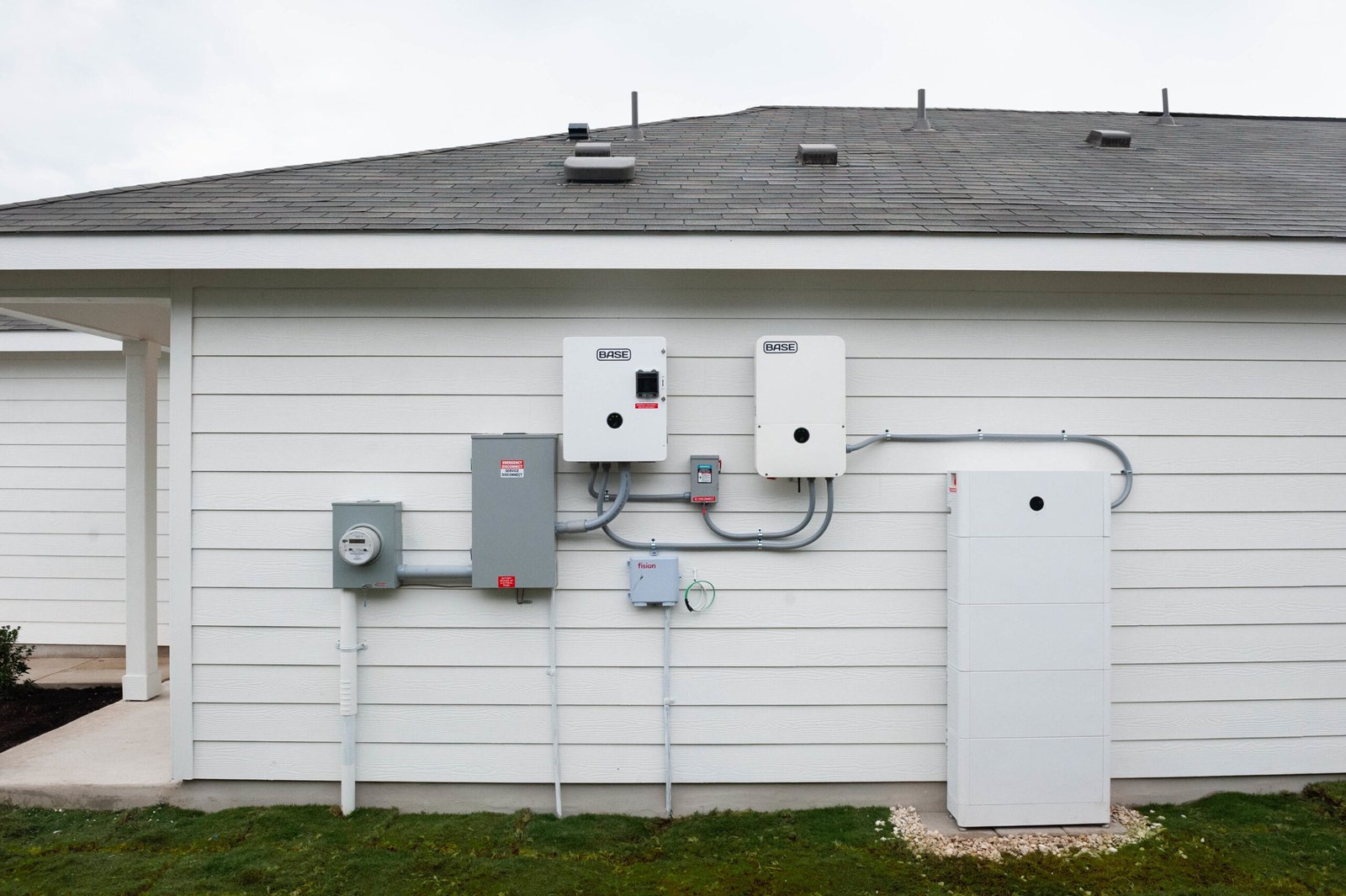
A solar + battery system gives you:
- Backup power
- Daytime power from sunlight
- Peace of mind during emergencies
- Energy independence
This is one of the biggest reasons Texans choose solar.
7. How Long Does Solar Take to Pay for Itself in Texas?
The average payback period in Texas is:
5 to 9 years
After that, the electricity your system generates is essentially free.
Factors that shorten payback time:
- High usage homes
- Larger systems
- Battery installation
- Strong sunlight
- High monthly electric bills
- Good roof angle & direction
Most systems last 25–30 years, so homeowners enjoy 15+ years of pure savings after payback.
8. Is Solar Worth It If Your Bill Is Low?
Yes, because:
- Electric rates always rise
- Solar adds resale value
- You still qualify for the 30% tax credit
- Even small systems generate lifetime savings
Solar isn’t just a monthly savings tool — it’s an investment that grows in value.
Conclusion
Solar energy is one of the smartest long-term investments a Texas homeowner can make. With high sunlight exposure, generous federal incentives, rising electricity costs, and strong return on investment, going solar in Texas is both financially and environmentally rewarding.
Whether your goal is to reduce your electric bill, increase your home value, or protect your family from outages, solar gives you long-term benefits that keep paying back year after year.