Your electrical panel is the central control unit for all power in your home. It distributes electricity to every outlet, appliance, and circuit. But just like any other system, it ages, becomes outdated, or eventually stops handling your home’s increasing electrical needs.
Many homeowners don’t realize their panel is failing until something goes wrong:
- lights start flickering
- breakers keep tripping
- circuits overload
- appliances stop working properly
- burning smells appear near outlets
Ignoring these warning signs can lead to safety risks, major repairs, or even electrical fires.
This detailed guide explains the top signs your home needs an electrical panel upgrade, why it matters, and how to protect your home before problems escalate.
1. Frequent Breaker Trips — One of the Clearest Signs
Breakers are designed to protect your home. When too much power runs through a circuit, the breaker shuts off the flow to prevent overheating or a fire.
But if you’re experiencing frequent or repetitive breaker trips, especially when using multiple appliances, that means:
- Your panel is overloaded
- Your circuits can’t handle your home’s current demand
- Your electrical system needs modernization
This often happens in homes built before the 1990s or in homes that haven’t updated their electrical systems after renovation.
Example:
If your breaker trips every time you run the microwave, AC, vacuum, or hair dryer — your panel is struggling to keep up.
2. Flickering, Dimming, or Buzzing Lights
This is one of the earliest and most common symptoms of electrical stress.
Lights may:
- flicker when appliances turn on
- dim during high energy use hours
- buzz or hum
- pulse irregularly
These issues often indicate:
- loose wiring
- overloaded circuits
- insufficient electrical capacity
- aging or failing panel components
Flickering lights are not “normal aging” — they’re a warning sign of a system that needs attention.
3. Burning Smell or Warm Electrical Panel (Danger Sign)
If you ever notice:
- a burning smell
- melting plastic odor
- burning wires scent
- warmth around the panel
STOP using appliances and contact an electrician immediately.
This may mean:
- overheated wires
- loose or failing breakers
- arcing behind the panel
- fire risk inside the breaker box
Electrical fires start silently and can spread quickly. A warm panel or strange smell should never be ignored.
4. Your Home Was Built Before 1995 (or Uses a Fuse Box)
Older homes were never designed to handle modern electrical loads.
Today’s homes use more electricity than ever:
- air conditioning
- refrigerators
- gaming systems
- computers
- TVs
- electric vehicles
- washers/dryers
- smart devices
If your home still has:
✔ outdated panel
✔ fuse box
✔ 60–100 amp service
✔ aluminum wiring
…you likely need an upgrade.
Modern homes require 200 amps or more to safely support all appliances and electrical demands.
5. You’re Adding New Appliances, Solar, or Home Upgrades
Major upgrades require more power. You may need a panel upgrade if you’re installing:
- electric vehicle (EV) charger
- new HVAC system
- tankless water heater
- hot tub or pool equipment
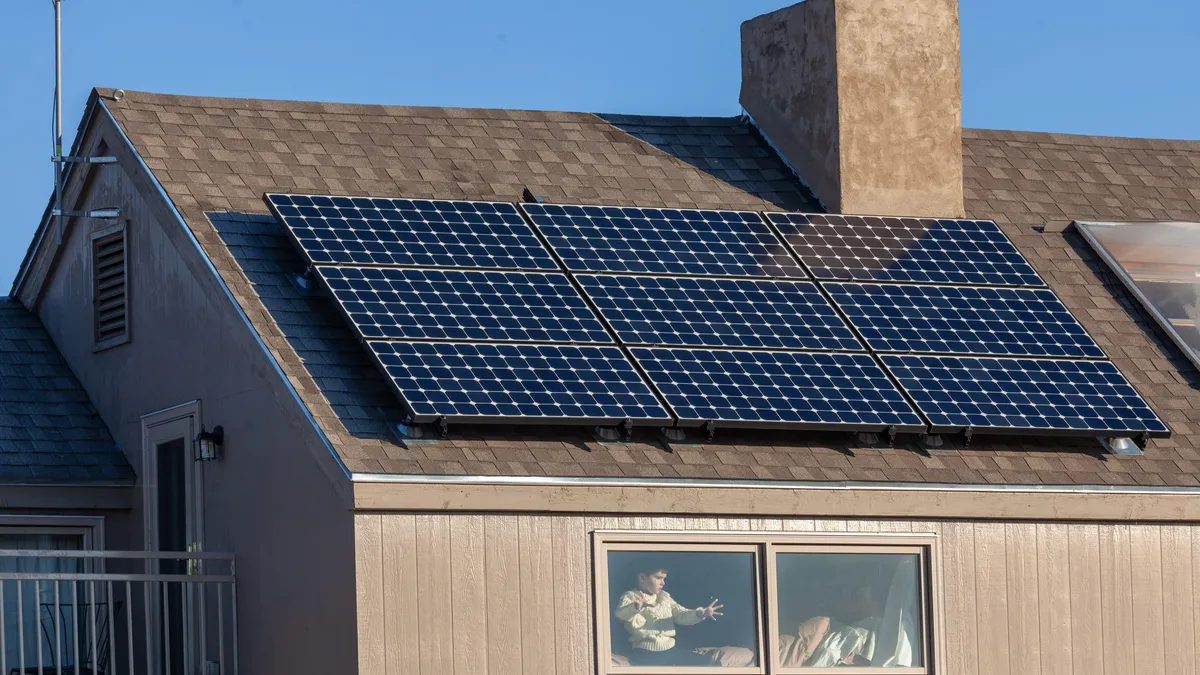
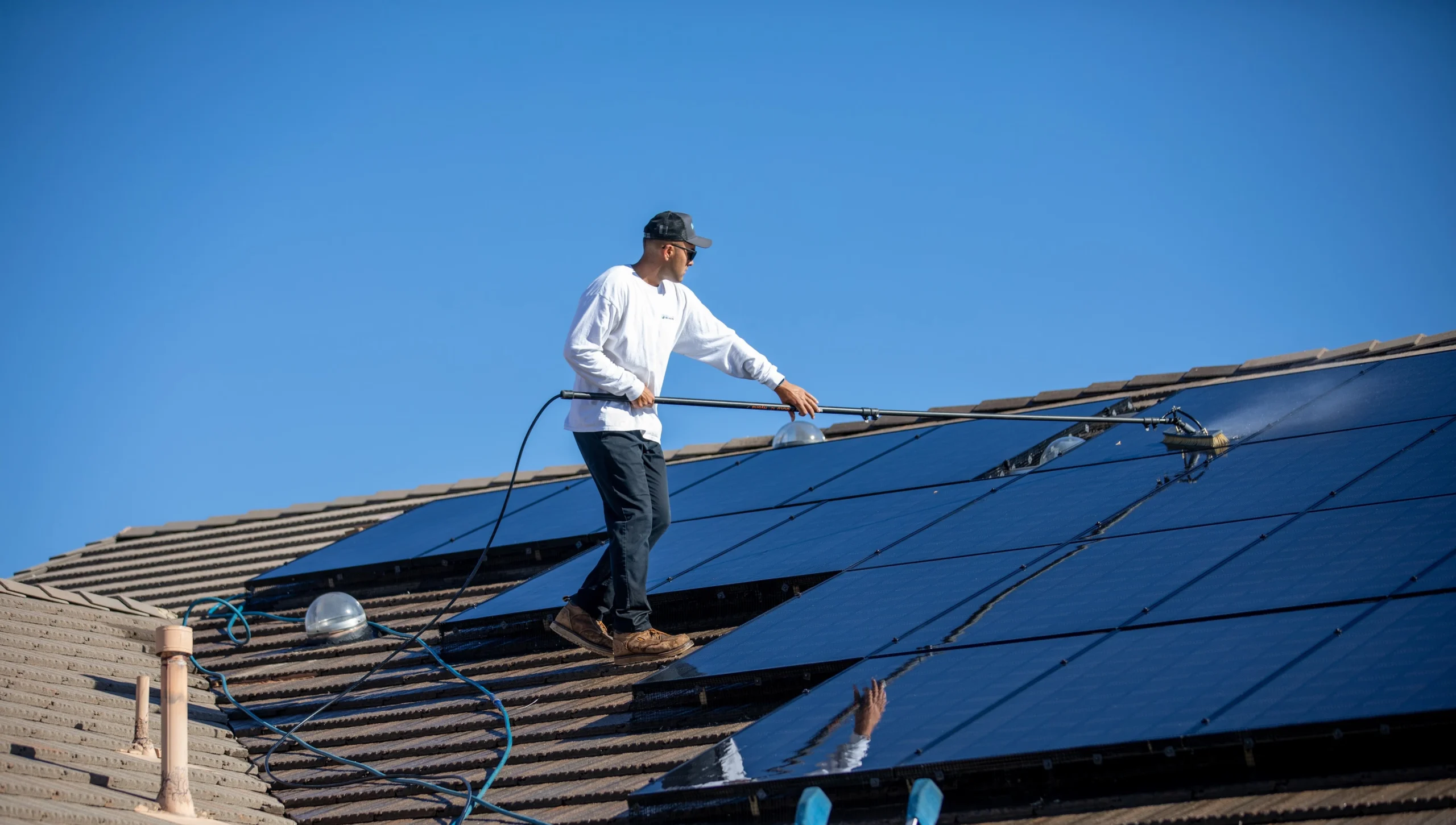
- solar panel system
- home office equipment
- workshop tools
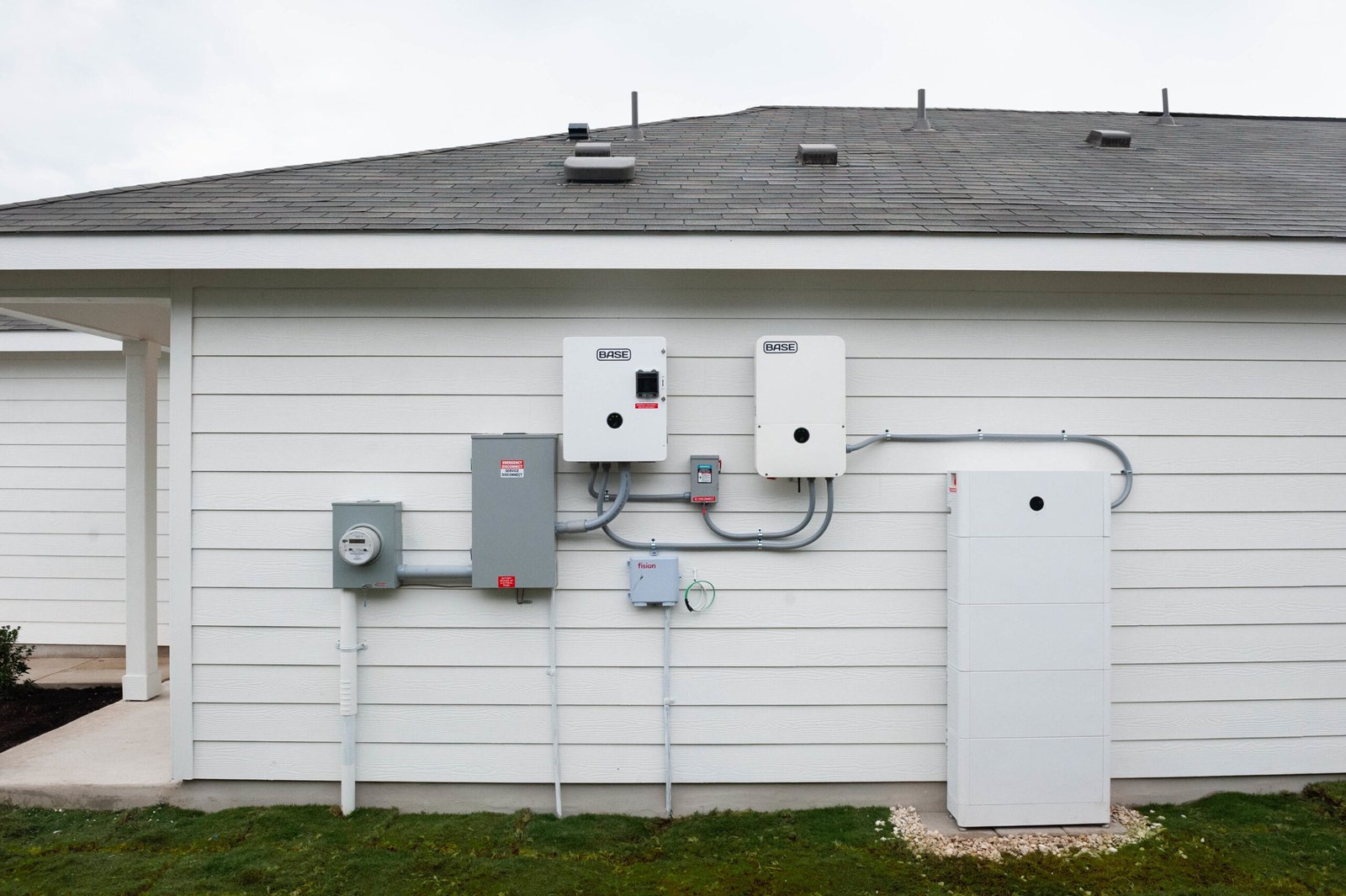
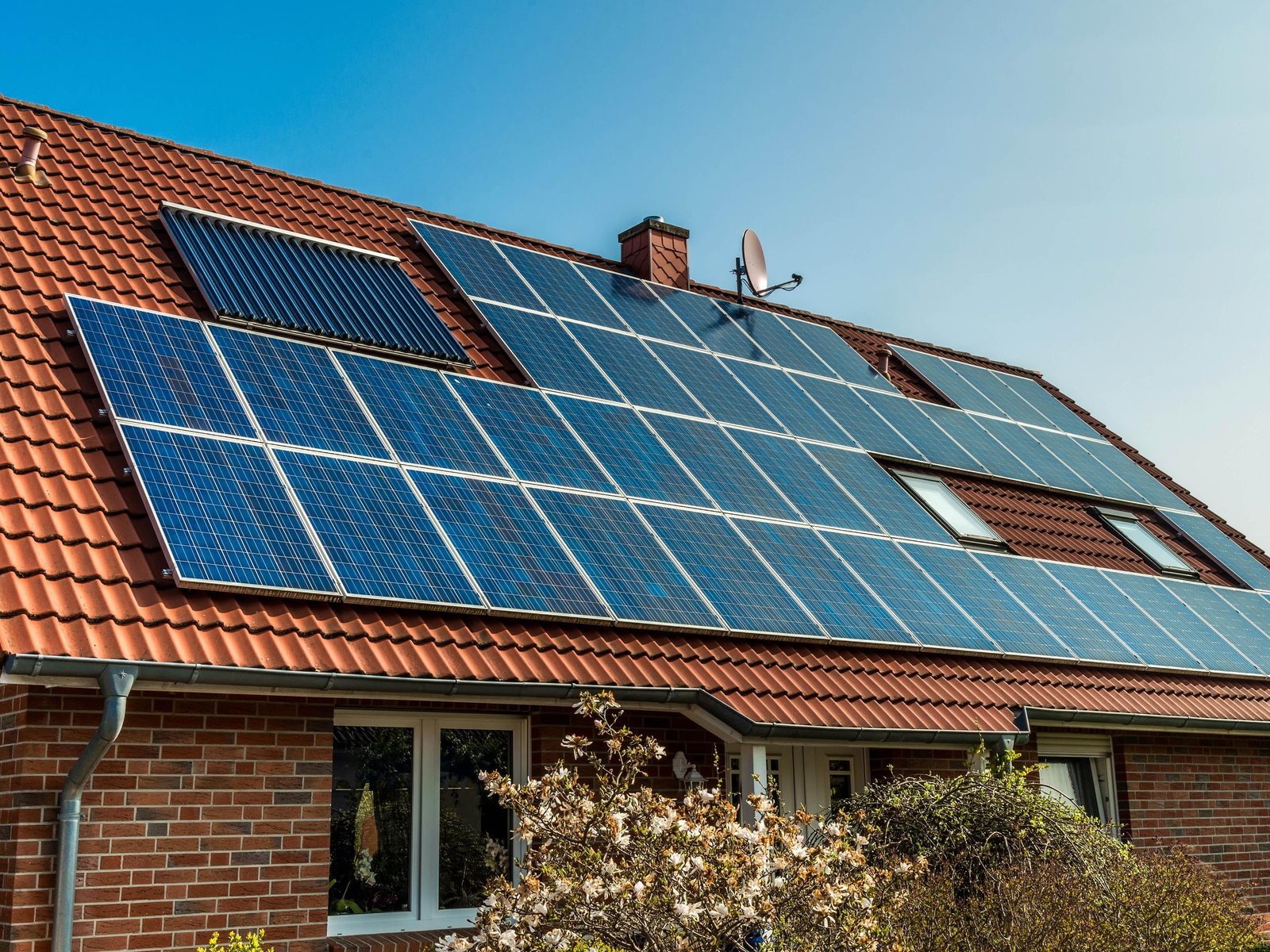
Solar installation especially requires a panel that can safely manage incoming and outgoing electricity.
If you’re planning any home addition or renovation, upgrading the panel ensures your system stays safe and reliable.
6. Buzzing or Crackling Sounds From the Panel
Your panel should be completely silent.
If you hear:
- crackling
- buzzing
- sizzling
- popping
…it may indicate:
- melted wires
- failing breakers
- electrical arcing
- loose connections
These problems can cause fires or permanent damage to the electrical system.
Immediate inspection is required.
7. Outlets Feel Warm or Show Discoloration
When circuits struggle to manage power, outlets and switches may:
- feel warm
- turn yellow or brown
- have scorch marks
- make buzzing noises
This can indicate:
- overloaded circuits
- loose wiring
- arcing
- faulty breakers
Warm outlets are dangerous and should be inspected as soon as possible.
8. Using Too Many Power Strips or Extension Cords
If your home doesn’t have enough outlets or circuits, that’s a sign your electrical panel isn’t keeping up.
Overuse of:
- extension cords
- power strips
- multi-outlet splitters
…means your circuits are overworked.
A panel upgrade lets you add new circuits and safely distribute power throughout your home.
9. Appliances Struggle or Cause Power Dips
If turning on:
- AC
- vacuum
- microwave
- washer
- dryer
causes:
- lights to dim
- power to drop
- breaker trips
your electrical system is overloaded.
This is especially common in homes built before modern appliances existed.
10. You Want a Safer, More Efficient Home
Even if you haven’t noticed electrical problems, upgrading your panel has major benefits:
✔ Improved home safety
Reduces risk of fire and electrical failure.
✔ Increased power capacity
Supports modern appliances & EV chargers.
✔ Better compatibility with solar
Allows safe integration of solar and battery systems.
✔ Higher home value
Homes with upgraded panels sell faster and for more.
✔ Reduced risk of outages
Stronger, more reliable electrical flow.
✔ Peace of mind
You know your home is safe and up to code.
How Much Does an Electrical Panel Upgrade Cost?
Most Texas panel upgrades cost:
$1,800–$4,500
depending on:
- panel size
- age of wiring
- necessary repairs
- added circuits
- solar integration
For solar customers, electrical panel upgrades are often bundled into the system cost and may qualify for the 30% Federal Solar Tax Credit.
How Long Does a Panel Upgrade Take?
Most upgrades are completed in:
4–8 hours
Same-day service is typical.
Power is temporarily shut off and restored once the installation is complete and tested.
Conclusion
Your electrical panel is the foundation of your home’s safety, efficiency, and power capacity. If it’s outdated, overloaded, or showing signs of failure, upgrading is one of the most important improvements you can make.
A modern electrical panel ensures:
- your home is safe
- your appliances run smoothly
- you’re prepared for future upgrades like solar or EV charging
- you avoid costly electrical problems
If you’ve noticed any warning signs — don’t wait until something fails.