Texas homeowners know how unpredictable the power grid can be. From winter freezes to summer heatwaves, rolling blackouts, storms, and overloaded substations, outages are becoming increasingly common across the state.
That’s why many homeowners are now asking:
“Should I install a solar battery or a generator for reliable backup power?”
Both options provide backup power, but they operate very differently and offer unique benefits. The right choice depends on your home’s needs, outage frequency in your area, and long-term goals — especially if you’re considering solar.
This detailed guide breaks down how solar batteries and generators compare, so you can make the best decision for your home.
1. How Backup Power Works: Solar Battery vs. Generator
Before choosing a system, it’s important to understand how each one works.
Solar Battery Backup (Tesla Powerwall, Enphase, SolarEdge)
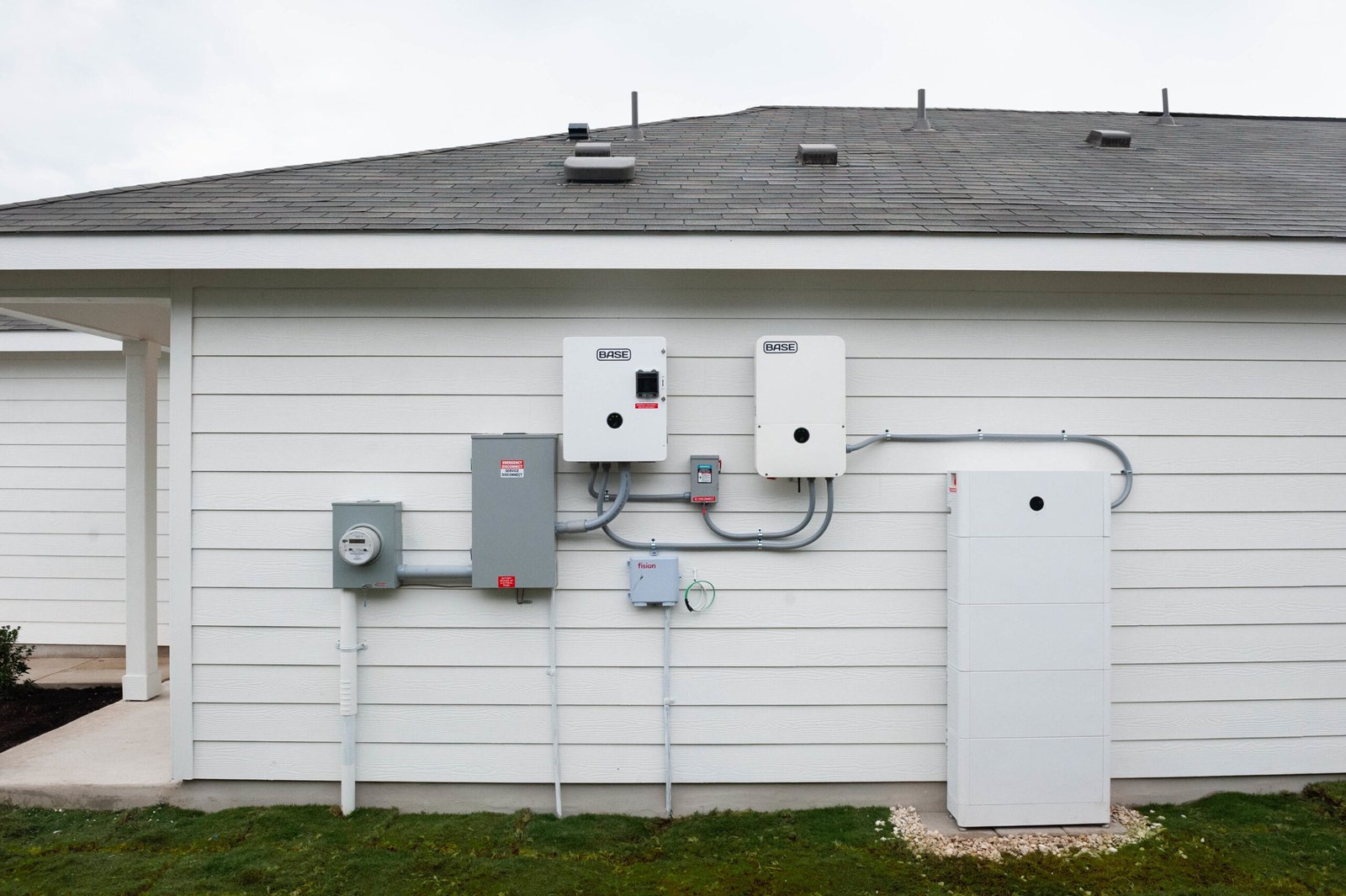
A solar battery stores excess solar energy during the day so you can use it at night or during outages.
How it works:
- Solar panels generate electricity.
- Extra energy charges the battery.
- When the grid goes down, your home automatically switches to battery power.
- Your home stays powered quietly and efficiently until the grid returns.
Key Features:
- Silent operation
- No fuel required
- Charges using free sunlight
- Provides clean, renewable energy
- Automatically activates during an outage
Solar batteries are ideal for homeowners who already have solar panels or plan to install them.
Gas or Propane Generators
Generators create electricity by burning fuel (natural gas, propane, or gasoline).
How they work:
- Grid shuts down
- Generator detects the outage
- Motor starts running
- Power is restored within seconds
Key Features:
- Can run for long periods
- More affordable upfront
- Strong power output for large appliances
However, they require fuel storage, regular maintenance, and create noise and emissions.
2. Comparing Solar Batteries and Generators
Let’s break down the key differences side by side.
1. Noise Levels
Solar Battery
- Completely silent
- No moving parts
- Perfect for neighborhoods with noise restrictions
Generator
- Very loud (60–70+ decibels)
- Can disturb neighbors or violate HOA rules
- Not ideal for nighttime outages
Winner: Solar Battery
2. Maintenance Requirements
Solar Battery
- Virtually maintenance-free
- No oil changes
- No fuel filters
- No spark plug replacements
Generator
- Requires regular servicing
- Oil changes every 6–12 months
- Must test monthly
- Fuel must be stored safely (propane/gasoline)
Winner: Solar Battery
3. Environmental Impact
Solar Battery
- Zero emissions
- Uses clean, renewable energy
- Ideal for eco-friendly homes
Generator
- Emits carbon monoxide and fumes
- Not suitable for indoor or closed areas
- Relies on fossil fuels
Winner: Solar Battery
4. Outage Duration Capability
Solar Battery
- Typically provides 8–24 hours of backup
- Can last longer with sunlight
- Best for short to medium outages
Generator
- Can run indefinitely (as long as fuel is available)
- Best for long-term or multi-day outages
Winner: Generator (for long outages)
5. Power Output Capacity
Solar Battery
- Powers essentials:
- Lights
- Outlets
- Refrigerator
- Wi-Fi
- Small appliances
- Multiple batteries needed to power:
- AC
- Electric heaters
- Water heaters
Generator
- Powers entire homes
- Handles high-demand appliances easily
- Ideal for homes with heavy power needs
Winner: Generator
6. Cost Comparison
Solar Battery Cost:
$9,000–$15,000 per battery
Most homes need 1–2 batteries.
BUT — Solar batteries qualify for the 30% Federal Tax Credit.
So a $12,000 battery becomes $8,400 after incentives.
Generator Cost:
$4,000–$10,000 installed
Fuel costs over time
Maintenance costs every year
Long-term cost: Batteries often become cheaper because generators require ongoing expenses.
7. Convenience & Ease of Use
Solar Battery
- Automatic
- No fuel dependency
- No noise
- No fumes
- No manual reset
Generator
- Requires fuel
- Can fail if not maintained
- Loud and disruptive
Winner: Solar Battery
8. Home Value Impact
Solar Battery
- Increases home value
- Attractive for energy-efficient buyers
- Considered a modern upgrade
Generator
- Adds value, but less than batteries
- Buyers may not want maintenance responsibility
Winner: Solar Battery
3. Which One Is Right for Your Home?
Choosing the right backup solution depends on your needs.
Choose a Solar Battery If You Want:
✔ Quiet, clean, maintenance-free backup
✔ Integration with solar panels
✔ Lower long-term cost
✔ Automatic switchover
✔ Outage protection without fuel
✔ Higher home value
Solar batteries are ideal for neighborhoods and homeowners who want minimal disruption and maximum convenience.
Choose a Generator If You Want:
✔ Backup for long outages
✔ High power output
✔ Ability to run large appliances
✔ Affordable upfront price
Generators work best for rural homes, older homes with high demand, or areas with frequent multi-day outages.
4. What About a Hybrid System?
Some Texas homeowners choose both:
- Solar battery for daily reliability
- Generator for extended outages
This combination provides:
- Silent overnight power
- Unlimited long-term power with fuel
- Maximum resilience during storms
Hybrid systems are becoming increasingly popular, especially for homes with medical equipment, large families, or remote locations.
5. Solar + Battery = Energy Independence
Solar panels alone do not provide power during outages without a battery.
A home with solar + battery enjoys:
- 24/7 clean backup
- Lower electric bills
- Protection from grid failures
- Ability to run essentials for hours or days
As the Texas grid faces growing demand, more homeowners are choosing battery backup for safety and control.
Conclusion
Both solar batteries and generators can provide reliable backup power — but the right choice depends on your lifestyle, budget, and backup needs.
Choose a Solar Battery if you want:
- clean energy
- silent backup
- zero maintenance
- solar integration
- long-term savings
Choose a Generator if you want:
- heavy power output
- long outage coverage
- lower upfront cost
For many homeowners, the best system is a combination of both.
Whatever you choose, preparing your home with a backup power solution is one of the smartest ways to protect your family — especially in Texas, where outages are unpredictable.